The Biodesign Institute represents the largest single investment in research infrastructure in Arizona.
Facilities
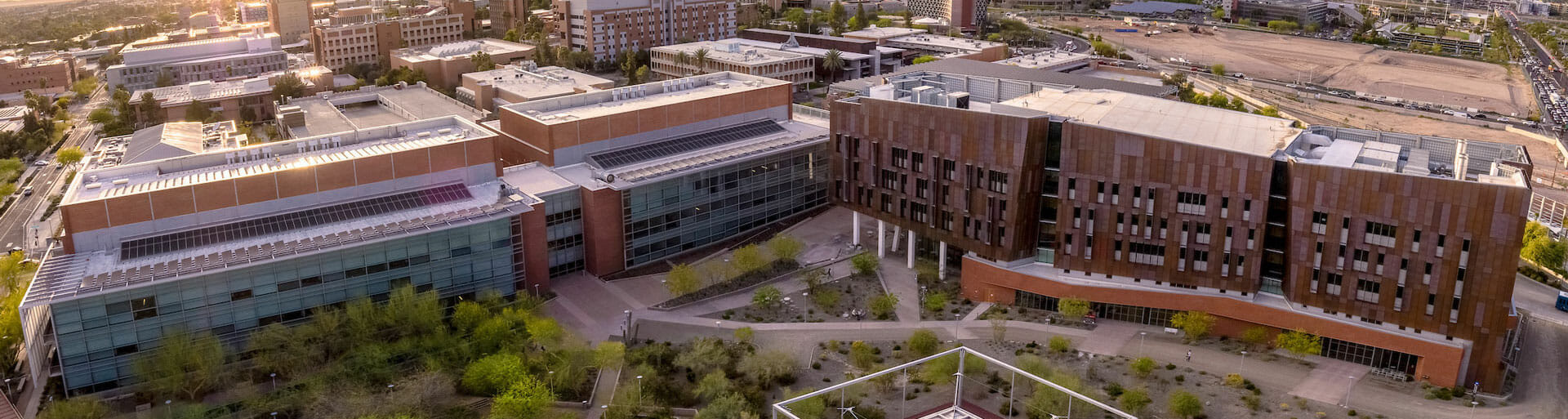
The Biodesign Institute® is master-planned research campus consisting of three buildings that house more than 1,500 faculty, staff and students.
Scientific instruments are necessary to produce the data needed for important research discoveries. In order to most efficiently drive significant impact through our research, many of these instruments are centrally housed at the institute.
Unique Biodesign Institute facilities
A number of types of analysis at the Biodesign Institute are unique and not performed elsewhere on campus. In these cases, we directly manage such instruments, some of which may be made available to researchers and scientists across ASU.
ASU compact x-ray free electron laser
The compact X-ray free electron laser (CXFEL) is the first compact instrument of its kind in the world. It will provide short X-ray pulses that allow scientists to explore the structure and dynamics of nature and materials as never before. Movies of biomolecules in action, fine-resolution biomedical imaging and discoveries in quantum science will all be made possible through the ASU CXFEL.
Biosurface Chemistry Facility
DNASU Plasmid Repository

NAPPA Protein Array Facility
Shared Instrument Facility

Clinical Health Intelligence Lab

DNA Synthesis Facility
ASU Core Facilities at Biodesign Institute
Other scientific equipment is shared but more universally useful to other scientists at ASU. The instruments with higher demand on campus are organized into cores. ASU Core Facilities provides state-of-the-art equipment, specialized services, and expert consultation and training to help solve the most pressing research challenges.
We house instruments for five facilities in the biosciences and the chemical and environmental characterization cores:
Biodesign Imaging Facility
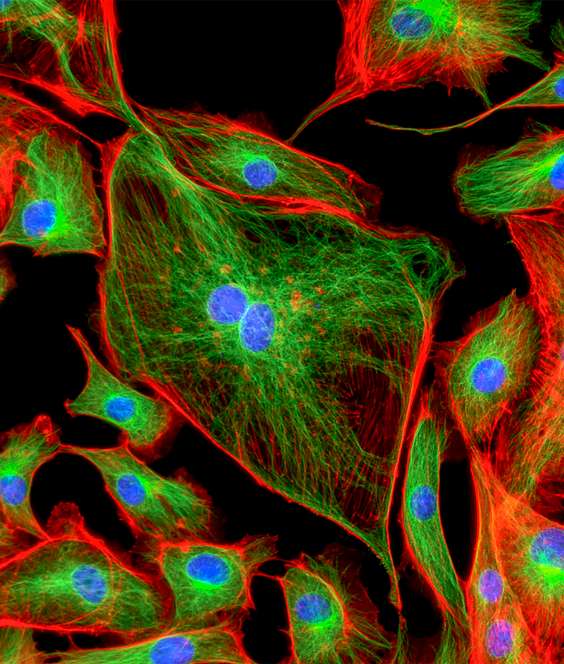
Bioinformatics Facility

Genomics Facility
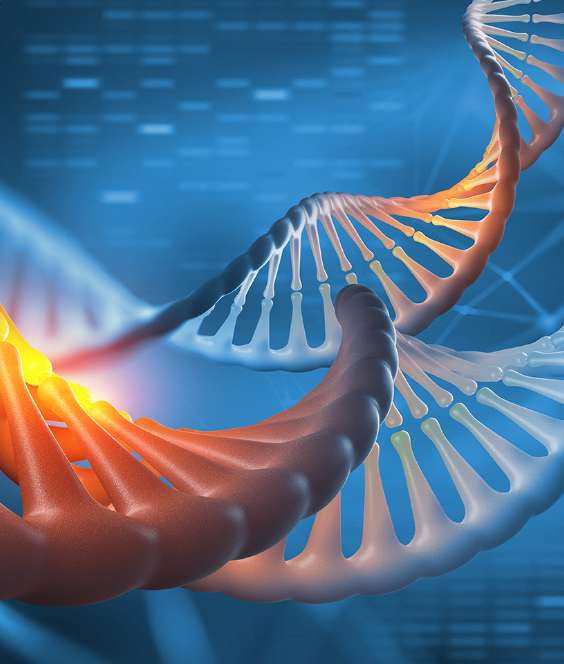
Mass Spectometry Facility

Ultrafast Laser Facility
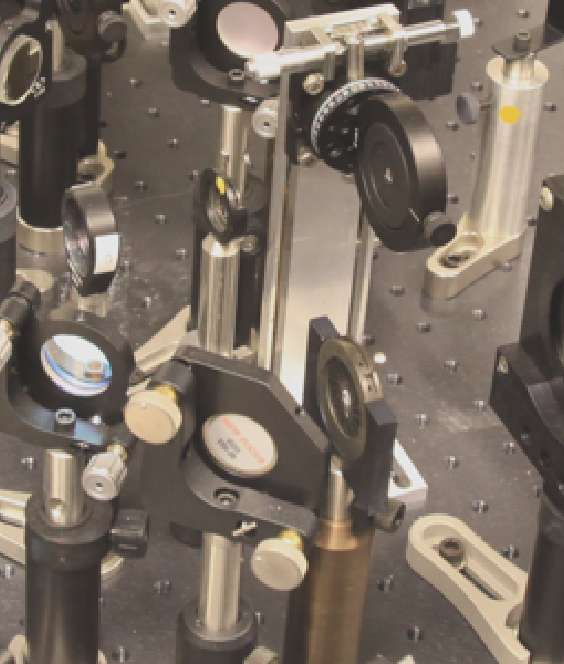
Electronics Shop
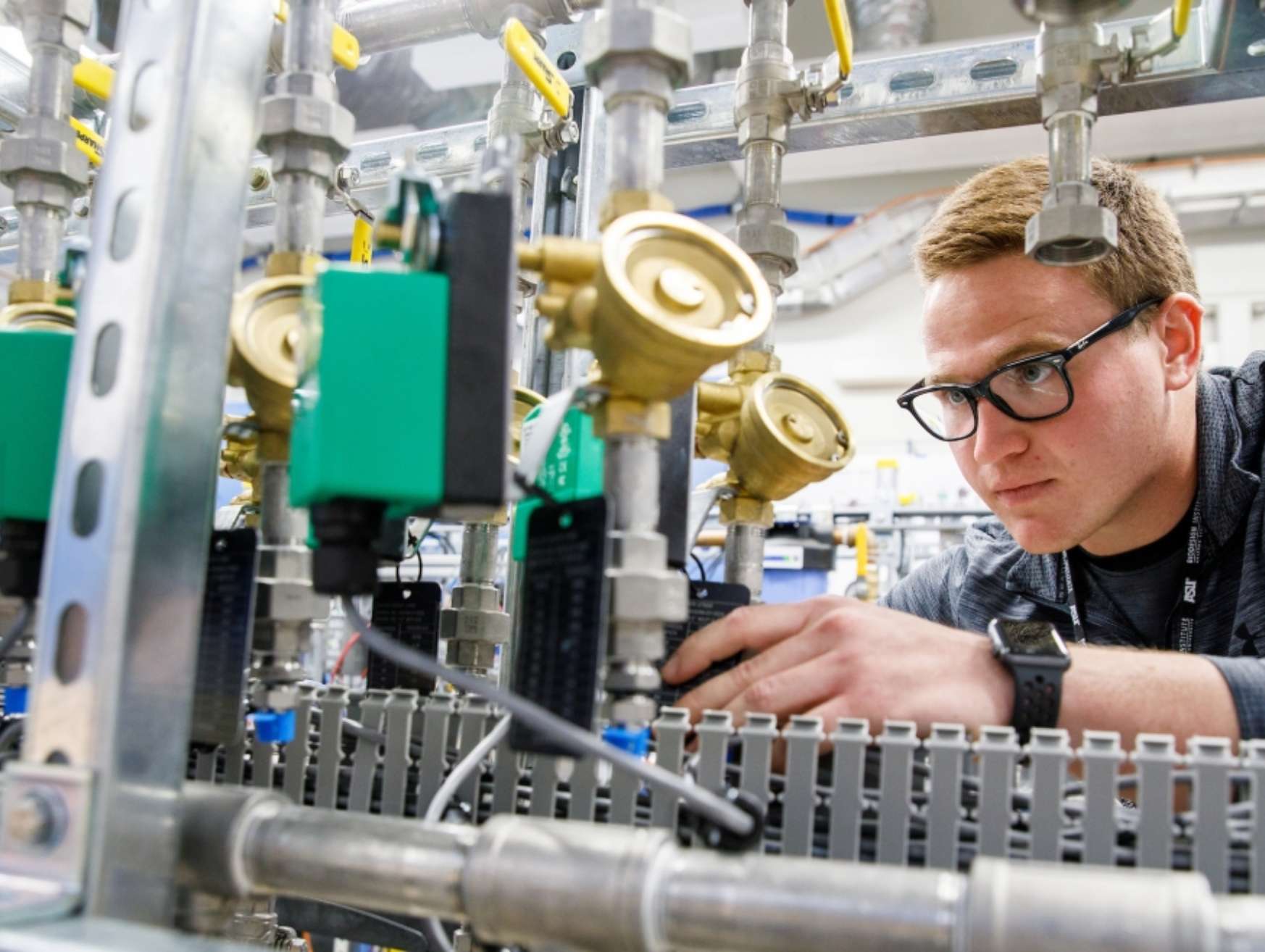
Designed for the future
Flexibility is built into every aspect of the institute’s design, ensuring our ability to adapt easily throughout the next decades of discovery.
The architectural elements of the Biodesign Institute reinforce the idea that science brings illumination, discovery and connection to our future. The use of transparent materials is reflective of what is possible, while the use of brick connects the institute to the existing history of Arizona State University.
The environmentally friendly aspects of the institute’s facilities have earned it numerous awards, including 2006 Lab of the Year by R&D Magazine. Buildings A, B and C are all certified by the U.S. Green Building Council for Leadership in Environmental Engineering and Design (LEED). Building B was the first platinum-level LEED-certified building in Arizona, and Building A received gold certification. Building C also received LEED platinum certification.
Our buildings
Building A, our first, has four levels and opened in December 2004. It and the other Biodesign buildings are situated on ASU’s Tempe campus.
Building B was completed in January 2006 and serves as the main entrance to the institute. The lobby features a small café open to the public and an auditorium for public seminars and meetings.
Located just to the east of Biodesign B, Biodesign C is our newest complex, completed in June 2018. It’s home to the ASU Compact X-ray Free Electron Laser Lab, a specially designed facility that will house the world’s first compact version of the powerful CXFEL technology.
Visit the University Research Space Planning site for more details about our buildings.
540,000
LEED certified square feet.
$500,000
Estimated annual savings for Building C’s utilities.
30,000
Cubic yards of concrete used to make all three buildings.
31
building and landscape awards.
3
Interconnected buildings