

ASU websites use cookies to enhance user experience, analyze site usage, and assist with outreach and enrollment. By continuing to use this site, you are giving us your consent to do this. Learn more about cookies on ASU websites in our Privacy Statement.
Award-winning faculty
at the nation’s fastest growing research university
Biodesign has recruited top scientists to join our collaborative research efforts from early stage exploratory research, where the eventual application is uncertain, to mature projects that are ready for clinical trials, development or spinout company launches. As the premier scientific research institute in the nation’s fastest-growing research university, we deliver the future of nature-inspired scientific innovation today for the betterment of human health, community safety and global sustainability. Our experts have been recognized internationally for their contributions to science and continue to foster the next generation of outstanding researchers.
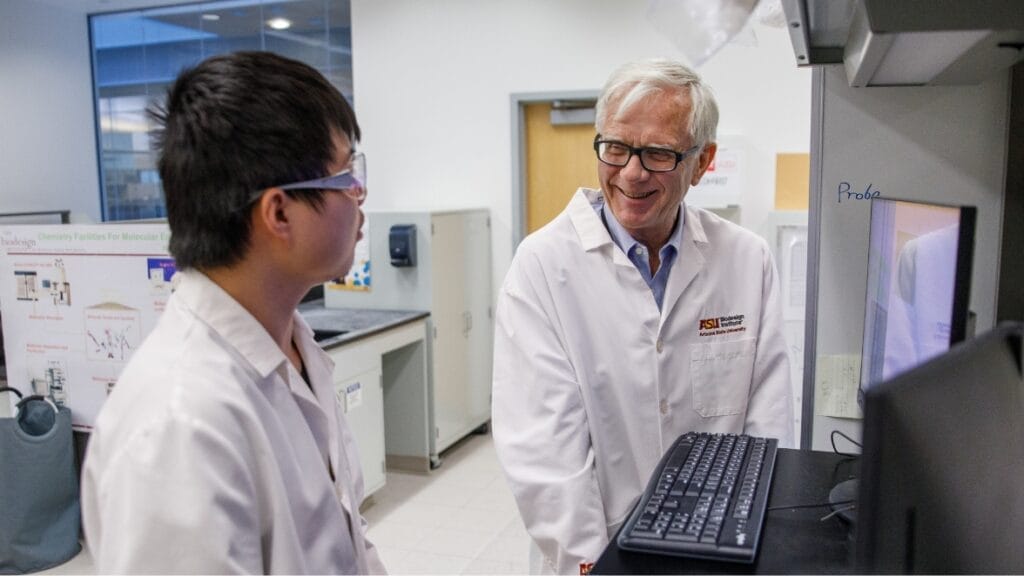
Nobel Prize in physiology or medicine
Awarded to Lee Hartwell
For discovery of genes that control cell division which could be used to prevent, diagnose and treat diseases.
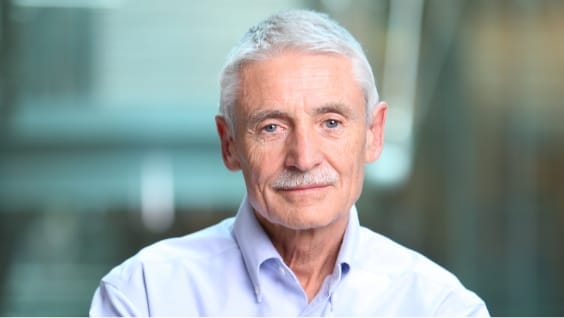
Stockholm Water Prize
Awarded to Bruce Rittmann
For research in environmental biotechnology-based processes for water and wastewater treatments.
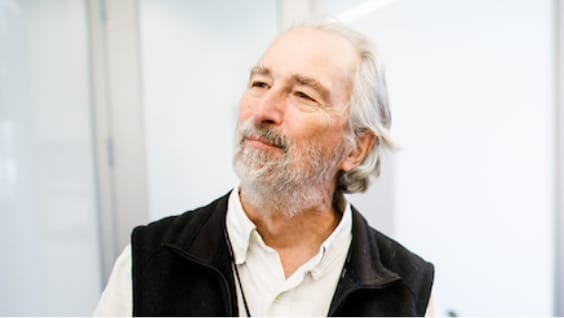
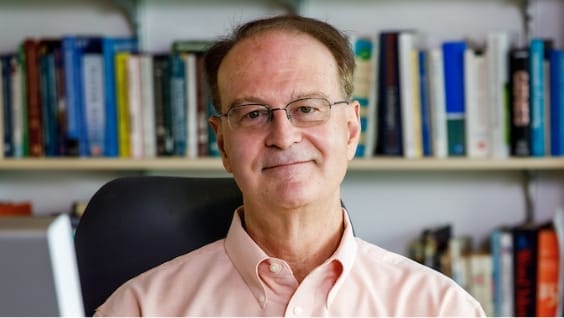
Thomas Hunt Morgan Medal
Awarded to Michael Lynch
For his lifetime achievement in genetics and revolutionary work in evolutionary cell biology.
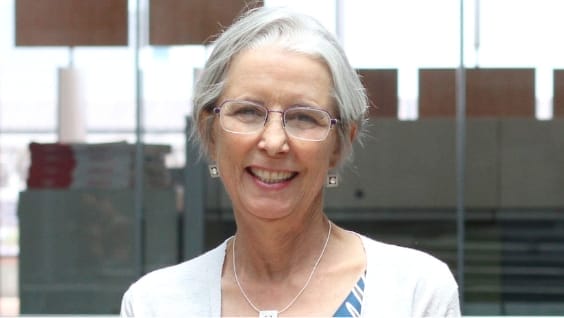
Evolutionary Computation Pioneer
Awarded to Stephanie Forrest
For research in biology and evolutionary computation, which pioneered the field of artificial immune systems.
10
American Association for the Advancement of Science Fellows
10
National Academy of Inventors Fellows
4
National Academy of Inventors Senior members
Science happens at intersections. It’s a convergence. Even the architecture of the building encourages connection, bumping into each other.
Behind the research
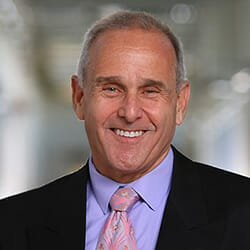
Joshua LaBaer
Executive Director and Professor
Joshua LaBaer is one of the nation’s foremost investigators in the rapidly expanding field of personalized diagnostics. His efforts focus on the discovery and validation of biomarkers—unique molecular fingerprints of disease—which can provide early warning for those at risk of major illnesses, including cancer and diabetes. Formerly founder and director of the Harvard Institute of Proteomics, LaBaer was recruited to ASU’s Biodesign Institute as the first Piper Chair in Personalized Medicine in 2009.
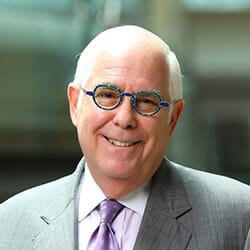
Stephen Munk
Deputy Director
Steve Munk, a former pharmaceutical company executive, assists with strategic planning and execution relevant to technical and business operations associated with basic research, applied research and advanced technology development programs within the institute.
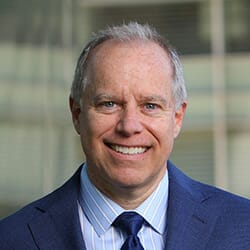
Karl Theisen
Deputy Director
Drawing from deep experience that spans across higher education and industry, Karl Theisen provides leadership and oversight of the institute’s operations, building organizational and employee alignment, as well as establishing and executing operational objectives to advance its mission and vision

Russell Harper
Associate Director
Russell Harper oversees a team of administrative support professionals that assist the Biodesign Institute research centers and faculty. He has rich experience in the operations of the Biodesign Institute and university research operations.
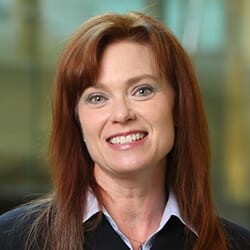
Julie Kurth
Assistant Director, Marketing and Communications
Julie Kurth elevates awareness of the Biodesign Institute. She draws on years of experience in industry, for-profit and nonprofit public relations, marketing and communication settings to support the advancement of the scientific community’s research impact.

Amanda Opperman
Senior Director, Development
Amanda Opperman leads efforts to secure philanthropic support for groundbreaking research. With over two decades of experience in higher education, enterprise partnerships and strategic consulting, she excels at building impactful collaborations that drive innovation.
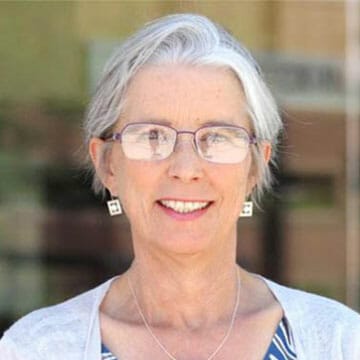
Stephanie Forrest
Center Director and Professor, Biodesign Center for Biocomputing, Security and Society
Stephanie Forrest studies the biology of computation and computation in biology, specifically biological modeling of immunological processes and evolutionary diseases, cybersecurity, software engineering and evolutionary computation. Forrest has over 20 years’ experience leading interdisciplinary research and education programs, primarily in the intersection of biology and computation, including work on computer security, software engineering and biological modeling. See feature

Petra Fromme
Center Director and Professor, Biodesign Center for Applied Structural Discovery
Petra Fromme’s research interests are in studying the structure-to-function relationship of membrane proteins involved in bioenergy conversion and infectious diseases. She has vast experience unraveling the structure and function of photosystem I and II proteins and ATP synthase, which are each crucial for solar energy conversion in our biosphere.
See feature
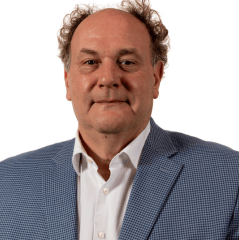
Ferran Garcia-Pichel
Center Director and Regents Professor, Biodesign Center for Fundamental and Applied Microbiomics
Ferran Garcia-Pichel and his collaborators study the roles, adaptations and impacts of microbes in natural environments that range from desert soils to shallow marine waters. The microbes they study play roles of ecological importance, including the formation and destruction of minerals, the prevention of soil erosion or the biogeochemical cycling of nutrients.
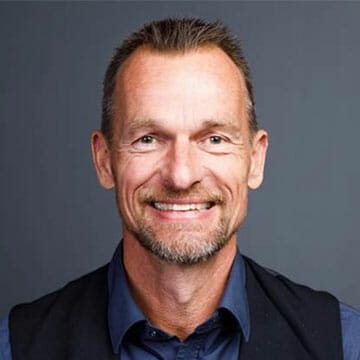
Rolf Halden
Center Director and Professor, Biodesign Center for Environmental Health Engineering
Rolf Halden is an expert in determining where mass-produced chemicals wind up and removing them from contaminated water resources, aquifers and agricultural soils. Toxins of interest include dioxins, antibacterial products, pharmaceuticals and personal care products, organohalides, problematic plastics and their additives, as well as pesticides — all potentially impacting health, including adverse birth outcomes, inflammation and increased risk of cancer.
See feature
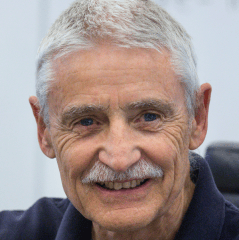
Leland Hartwell
Center Director and Professor, Biodesign Pathfinder Center
Leland Hartwell is an expert in cell biology and genetics. He headed a research team that discovered two cell pathways controlled by a central point that regulates cell division and another pathway that stops cell division when DNA is damaged. Currently, he leads a small team that developed a course, Sustainability Science, which he teaches all preservice K-8 teachers.

Sidney Hecht
Center Director and Professor, Biodesign Center for Bioenergetics
Sidney M. Hecht researches diseases caused by defects in the body’s energy production processes. Energy production is similar mechanistically to other molecular processes that he has studied extensively. He played a key role in the development of Hycamtin, a drug used to treat ovarian and lung cancer, as well as the study of the mechanism of the anti-tumor agent bleomycin. See feature
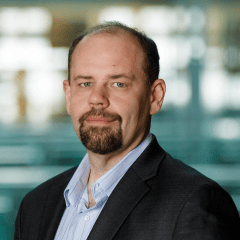
Josh Hihath
Center Director and Professor, Biodesign Center for Bioelectronics and Biosensors
Josh Hihath’s research focuses on the intersection of biology, chemistry and electronics. His team works to understand and control the interface between molecular and electronic systems to create new generations of biosensing systems. Efforts could yield new biosensing platforms that can detect, identify and track biomarkers, including new generations of electronic systems that are lower energy, made with materials that are easily processed, renewable and higher performing.
See feature
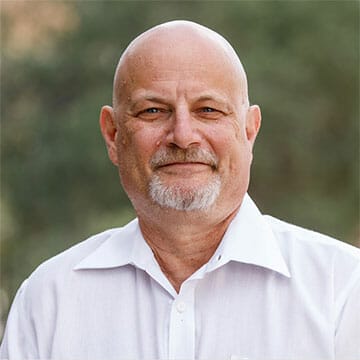
Jeffrey Kordower
Center Director and Professor, ASU-Banner Neurodegenerative Disease Research Center
Jeffrey Kordower employs gene therapy, neural transplantation and the discovery of molecular changes to his research of Alzheimer’s, Parkinson’s and Huntington’s diseases leading cell therapy preclinical studies that moved to clinical trials. His findings included a first demonstration that dopaminergic grafts can survive, innervate and form synapses in Parkinson’s disease, and the team was first to show that long-term grafts can form Lewy bodies.
See feature
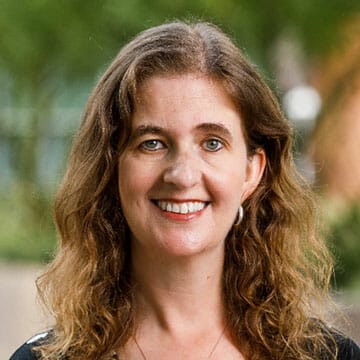
Rosa Krajmalnik-Brown
Center Director and Professor, Biodesign Center for Health Through Microbiomes
Rosa Krajmalnik-Brown is a pioneer in research on gut microbiome and autism. Specializing in molecular microbial ecology for bioremediation, using microbial systems for bioenergy production and human intestinal microbial ecology in relation to disease. She also investigates the microbiome’s links to obesity and bariatric surgery. Her other areas of interest include bioremediation of soil, sediments and groundwater.
See feature
Joshua LaBaer
Center Director and Professor, Biodesign Virginia G. Piper Center for Personalized Diagnostics
Joshua LaBaer is one of the nation’s foremost investigators in the field of personalized diagnostics. He discovers and validates biomarkers that can provide early warning for those at risk of major illnesses, including cancer and diabetes. Recruited to Arizona State University as the first Piper Chair in Personalized Medicine in 2009, LaBaer has led the Biodesign Institute at ASU as executive director since 2016.
See feature

Stuart Lindsay
Center Director and Regents Professor, Biodesign Center for Single Molecule Biophysics
Stuart Lindsay is a pioneer of atomic force microscopy, particularly relating to imaging and chemical analysis in water. His research focuses on nanoscale chemical mapping, applications of nanoscience for sustainable energy, new techniques for DNA and protein sequencing based on electron tunneling and nanoscale probes of epigenetic markings and cell biochemistry.
See feature
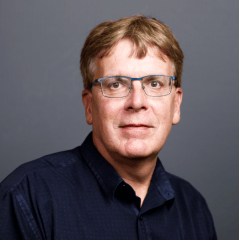
Timothy Long
Center Director and Professor, Biodesign Center for Sustainable Macromolecular Materials and Manufacturing
Timothy Long leads the integration of fundamental research in novel macromolecular structure and polymerization processes. He develops high-performance macromolecules for advanced technologies, taking full advantage of 3D printing techniques to drive sustainable production of unprecedented material designs.
See feature

Michael Lynch
Center Director and Regents Professor, Biodesign Center for Mechanisms of Evolution
Michael Lynch is an expert in evolutionary biology. His research is focused on mechanisms of evolution at the gene, genomic, cellular and phenotypic levels, with special attention being given to the roles of mutation, random genetic drift and recombination. This work relies on the integration of theory development and computational analysis with empirical work on several model systems, including the microcrustacean Daphnia, the ciliate Paramecium and numerous microbial species.
See feature
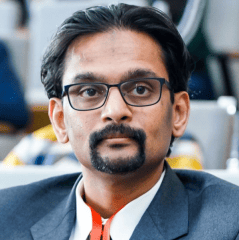
Kaushal Rege
Center Director and Professor, Biodesign Center for Biomaterials Innovation and Translation
Kaushal Rege’s research is at the forefront of developing biomaterial and nanomaterials for tissue repair and therapeutic delivery. Rege has made notable progress with photothermal nanomaterials, using them with polymers and polypeptides to repair body tissues. His research findings have major implications for repair and regeneration of ruptured intestines, colorectal tissue and the repair of skin injuries.
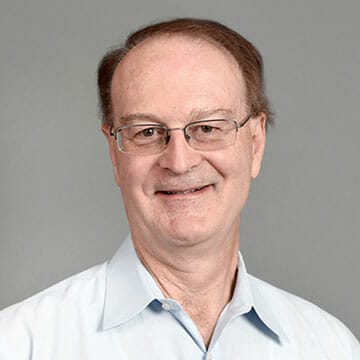
Bruce Rittmann
Center Director and Regents Professor, Biodesign Swette Center for Environmental Biotechnology
Bruce Rittmann is an international leader in managing microbial communities. His work is leading to new ways to clean up pollution, treat water and wastewater, capture renewable energy and improve human health.
See feature
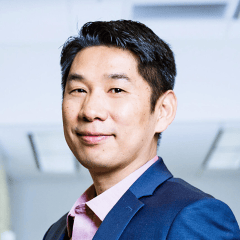
Hao Yan
Center Director and Milton D. Glick Distinguished Professor. Biodesign Center for Molecular Design and Biomimetics
Hao Yan is an expert in analytical chemistry and materials science. His research is focused on structural DNA nanotechnology and DNA-directed self-assembly. Yan’s research program is highly interdisciplinary which combines chemistry, biology, physics and material science. The goal of his research group is to achieve programmed design and assembly of biologically inspired nanomaterials and to explore its applications in nanoelectronics, controlled macromolecular interactions and biosensing.
The Internal Advisory Board for the Biodesign Institute is comprised of thought leaders and experts within the ASU community who provide guidance in shaping the future direction of the Institute and act as Biodesign advocates in their organizations and the community in four distinct areas: Enterprise Development, Biomedical Health, Translation, and Sustainability/Security.
Enterprise development
Augie Chen
CEO and Chief Legal Officer, Skysong Innovations
Grace O’Sullivan
Vice President, Corporate Engagement & Strategic Partnerships, Knowledge Enterprise
Anne Gazzaniga
Assistant Vice President, University Space Planning, Planning Studies
David Schwartz
Vice President, Strategic Alliances and Business Development, ASU Health
Tim Smith
Interim Vice President, Facilities Development Management
Rudy Bellavia
Interim Vice President of University Business Services, Office of Business and Finance
Randy Burd
Academic Executive and Professor, Office of University Provost
William Faubion
Gastroenterologist, Mayo Clinic
Biomedical health
Heather Clark
Director, School of Biological and Health Systems Engineering
Kenro Kusumi
Dean of Natural Sciences, The College of Liberal Arts and Sciences
Nancy Manley
Director (ACD) and Professor, School of Life Sciences Biomedicine and Biotechnology
Tamera Schneider
Chair and Professor, Department of Psychology
Tijana Rajh
Director and Professor, School of Molecular Sciences
Patricia Rankin
Chair and Professor, Physics Department
Michelle Villegas-Gold
Director, Health and Clinical Research, Office of the Vice President of Research
Translation
Dave Guston
Director, School for Future of Innovation in Society
Kyle Siegal
Senior Vice President of Life Sciences and Chief Patent Counsel
Kyle Squires
Dean, Ira A. Fulton Schools of Engineering
Elizabeth “Libby” Wentz
Vice Provost and Dean, Graduate College
Sandra “Sandy” Stauffer
Senior Associate Dean and Professor, Herberger Institute for Design and the Arts
Michael Yudell
Interim Dean and Professor, College of Health Solutions
Sustainability/Security
Nadya Bliss
Director and Professor of Practice, Global Security Initiative
Treavor Boyer
Associate Professor, School of Sustainable Engineering and the Built Environment
Stephanie Forrest
Center Director and Professor, Biodesign Center for Biocomputing, Security, and Society
Klaus Lackner
Senior Global Futures Scholar, Julie Ann Wrigley Global Futures Laboratory
Timothy “Tim” Long
Center Director, Biodesign Center for Sustainable Macromolecular Materials and Manufacturing
Peter Schlosser
Vice President, Vice Provost and Professor, Julie Ann Wrigley Global Futures Laboratory
Philanthropy accelerates our lifesaving discoveries
The Executive Board of Philanthropy at ASU’s Biodesign Institute provides guidance to advance the philanthropic mission of the Institute. As foundational partners in philanthropy, they work together with Biodesign leadership to promote our research efforts.
Whether it is finding answers to cancer, fighting Alzheimer’s disease, protecting our planet or creating new technologies to revolutionize the field of medicine, an investment in the ASU Biodesign Institute will impact people and our planet for generations to come. Together we can accelerate lifesaving discoveries.
For more information, please contact:
Amanda Opperman
Senior Director of Development
amanda.opperman@asufoundation.org

Collaboration inspires innovation
Breaking boundaries with purpose
At Biodesign, we believe that our best chance of achieving success in health, sustainability and security is by working together. We purposefully blur traditional boundaries to connect physicists, microbiologists, neuroscientists, clinicians and more in order to find effective solutions inspired by nature.