Search for our experts
Virginia G. Piper Center for Personalized Diagnostics
Faculty
Researchers
Administration
Center for Sustainable Macromolecular Materials and Manufacturing
Faculty
Researchers
Administration

Collaboration inspires innovation
Breaking boundaries with purpose
At Biodesign, we believe that our best chance of achieving success in health, sustainability and security is by working together. We purposefully blur traditional boundaries to connect physicists, microbiologists, neuroscientists, clinicians and more in order to find effective solutions inspired by nature.
Science happens at intersections. It’s a convergence. Even the architecture of the building encourages connection, bumping into each other.
Behind the research
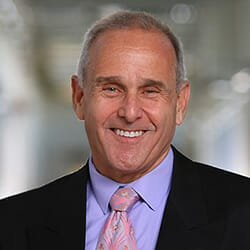
Joshua LaBaer
Executive Director and Professor
Joshua LaBaer is one of the nation’s foremost investigators in the rapidly expanding field of personalized diagnostics. His efforts focus on the discovery and validation of biomarkers—unique molecular fingerprints of disease—which can provide early warning for those at risk of major illnesses, including cancer and diabetes. Formerly founder and director of the Harvard Institute of Proteomics, LaBaer was recruited to ASU’s Biodesign Institute as the first Piper Chair in Personalized Medicine in 2009.
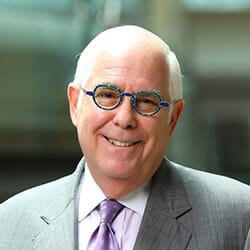
Stephen Munk
Deputy Director
Steve Munk, a former pharmaceutical company executive, assists with strategic planning and execution relevant to technical and business operations associated with basic research, applied research and advanced technology development programs within the institute.
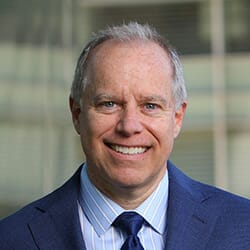
Karl Theisen
Senior Director of Operations
Drawing upon his deep experience in higher education and the private sector, Karl Theisen is responsible for day-to-day operations of the Biodesign Institute, building organizational and employee alignment, as well as establishing and executing operational objectives that advance the Institute’s mission and vision.

Russell Harper
Associate Director
Russell Harper oversees a team of administrative support professionals that assist the Biodesign Institute research centers and faculty. He has rich experience in the operations of the Biodesign Institute and university research operations.
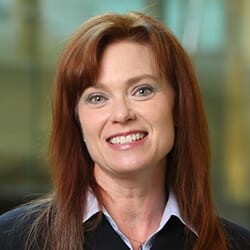
Julie Kurth
Assistant Director, Marketing and Communications
Julie Kurth elevates awareness of the Biodesign Institute. She draws on years of experience in industry, for-profit and nonprofit public relations, marketing and communication settings to support the advancement of the scientific community’s research impact.
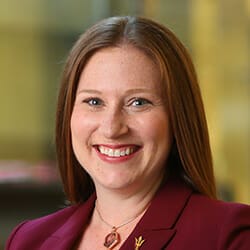
Elizabeth Muncal
Director of Development
Elizabeth Muncal leads philanthropic efforts for the Biodesign Institute. Working with individuals, corporations and foundations, Muncal matches donor passions with meaningful projects to advance the mission and impact of Biodesign and ASU.
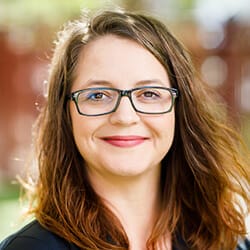
Miranda Pratt
Director, Human Resources
Miranda Pratt leads the human resource team’s objectives to grow an empowered, engaged and skilled workforce. Her efforts are focused on executing effective and functional strategies aimed at attracting, engaging, growing and retaining a diverse, high-performing workforce that feels valued, included and connected.
Top scientists collaborating across disciplines
Our hundreds of experts — biologists, physicists, chemists, engineers, mathematicians — solve some of the world’s most urgent problems in health care, sustainability, security and more.